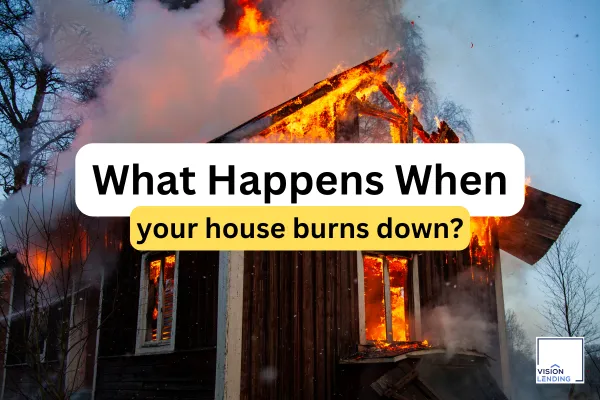
What Happens When Your House Burns Down?
When a natural disaster strikes, like the California Wildfires that left many families out of homes, the financial impact can feel overwhelming. In moments of crisis, your immediate focus is on ensuring the safety and well-being of your family, leaving financial responsibilities like your mortgage to feel secondary. Despite the disaster, you still unfortunately have to pay your mortgage. But keep your head up because there are financial aid options that are available. This guide will help you explore your options and take the first steps toward rebuilding your life and your finances.
What Happens When Your House Burns Down?
Do I Have to Pay My Mortgage if My House Burns Down?
What Happens When Your House Burns Down?
Relief Options for Different Types of Mortgages
What Options Do I Have if My House Burns Down?
Burned House and Homeowners Insurance
California Wildfire: House Burns Down
Los Angeles Wildfire: Where to Get Help
Do I Have to Pay My Mortgage if My House Burns Down?

Even if your house has been completely destroyed by fire, your mortgage obligations remain. At the time of purchase or refinancing, homeowners sign a promissory note committing to monthly payments. This agreement remains in effect regardless of your home’s condition. However, some relief options may be available:
Forbearance or Payment Suspension: Many lenders offer temporary relief by pausing or reducing payments. This is especially common for loans backed by Fannie Mae or Freddie Mac.
Escrow for Reconstruction: If you plan to rebuild, your lender may hold insurance payouts in escrow and release funds incrementally as construction progresses.
Loan Modifications: For those with jumbo loans, relief options can vary significantly as they aren’t subject to federal guidelines. Contact your loan servicer to explore options tailored to your situation.
What Happens When Your House Burns Down?
When a home is destroyed, homeowners face immediate and long-term challenges. Here’s a step-by-step guide for what to do when your house burns down according to American Financing: "Natural Disasters":
Contact Your Insurance Agent
Notify your insurance provider as soon as possible. Most homeowner’s policies include coverage for dwelling repairs or rebuilding, personal property replacement, and additional living expenses (ALE). ALE covers temporary housing, meals, and other costs while your home is uninhabitable (American Financing: "Natural Disasters: Tips for Financial Preparedness", MarketWatch).
Notify your insurance provider as soon as possible. Most homeowner’s policies include coverage for dwelling repairs or rebuilding, personal property replacement, and additional living expenses (ALE). ALE covers temporary housing, meals, and other costs while your home is uninhabitable.Document the Damage
Take detailed photographs or videos of the damage to your home, personal belongings, and vehicles. A comprehensive inventory of your possessions can expedite the claims process (CNET: "8 Steps for Homeowners When Your Property Is Destroyed by a Wildfire").
Take detailed photographs or videos of the damage to your home, personal belongings, and vehicles. A comprehensive inventory of your possessions can expedite the claims process.File an Insurance Claim
Work closely with your insurance adjuster to determine the replacement value of your home and belongings. Ensure you understand the distinction between replacement cost coverage (which reimburses the cost to replace items at current market value) and cash value coverage (American Financing, MarketWatch).
Work closely with your insurance adjuster to determine the replacement value of your home and belongings. Ensure you understand the distinction between replacement cost coverage (which reimburses the cost to replace items at current market value) and cash value coverage*.*Understand Payout Priorities
If you have a mortgage, the lender typically receives the insurance payout first to cover the remaining balance of your loan. Remaining funds can be used to rebuild or purchase a new home (MarketWatch, CNET).
If you have a mortgage, the lender typically receives the insurance payout first to cover the remaining balance of your loan. Remaining funds can be used to rebuild or purchase a new home.Address Immediate Needs
Use ALE coverage to maintain your standard of living. Keep all receipts for meals, hotel stays, laundry services, and other expenses for reimbursement (American Financing, CNET).
Use ALE coverage to maintain your standard of living. Keep all receipts for meals, hotel stays, laundry services, and other expenses for reimbursement.
Relief Options for Different Types of Mortgages
Conforming Mortgages
For homeowners with mortgages that fall under the conforming loan limit (can be as high as $1.2 million in Los Angeles County), federal guidelines provide significant disaster relief options. Loans backed by Fannie Mae, Freddie Mac, or the Federal Housing Administration (FHA) allow servicers to offer forbearance periods of up to six months, with potential extensions. During this time, homeowners can pause payments to regain financial stability while dealing with the aftermath of the disaster.
Jumbo Mortgages
For homeowners with jumbo loans—which exceed conforming limits—the path is less clear. These loans are not federally backed and depend on lender-specific policies for relief options. However, California’s Homeowner Bill of Rights requires loan servicers to explore foreclosure-prevention alternatives, including loan modifications, forbearance, or refinancing. Homeowners should promptly contact their loan servicers, maintain detailed records, and follow up in writing to ensure their case is addressed effectively.
Challenges for Servicers and Homeowners
The rebuilding process after a disaster like a wildfire is extensive and can mimic the scale of recovery seen after hurricanes. According to experts like Donna Schmidt, managing director of DLS Servicing, reaching affected homeowners and managing the volume of assistance requests pose significant challenges. Persistence and meticulous record-keeping are crucial for navigating these complex situations.
Additionally, natural-disaster fatigue among servicers highlights the importance of proactive communication and patience when seeking relief. Document every interaction, retain all correspondence, and maintain organized records of your case to streamline the process.
What Options Do I Have if My House Burns Down?
Recovering from a fire involves numerous decisions. Here are the primary options to consider:
Rebuilding: If feasible, use insurance payouts to reconstruct your home. Your lender may release funds in phases as milestones are reached.
Selling the Property: If rebuilding isn’t possible, you may sell the land and use the proceeds to relocate.
Deed in Lieu of Foreclosure: As a last resort, you may transfer the property back to the lender, effectively settling your mortgage.
Burned House and Homeowners Insurance
Understanding your insurance policy is essential to a smooth recovery:
Dwelling Coverage: Pays for repairing or rebuilding your home.
Personal Property Coverage: Helps replace belongings, typically based on a percentage of your dwelling coverage.
Additional Living Expenses: Covers temporary housing and other costs while your home is uninhabitable.
Wildfire-Specific Coverage: Some policies in high-risk areas require separate wildfire deductibles or coverage. Ensure your policy meets your needs.
California Wildfire: House Burns Down
California homeowners face unique challenges due to the increasing frequency and severity of wildfires. The state’s Homeowner Bill of Rights offers some protections, such as foreclosure prevention alternatives and requirements for servicers to contact borrowers before initiating foreclosure. Additionally, programs like the California FAIR Plan provide basic fire insurance for those in high-risk areas.
Los Angeles Wildfire: Where to Get Help
Resources are available to help you navigate this difficult time:
FEMA Assistance: Offers financial aid for uninsured losses.
California Department of Insurance: Provides guidance on filing claims and understanding your rights.
Nonprofit Organizations: Groups like the Red Cross and local charities offer temporary housing, food, and support services.
We’re Here to Help
At Vision Lending, we understand the challenges that come with recovering from a disaster. If you’re unsure about your mortgage, insurance claims, or next steps, our team is here to guide you through the process. Together, we can help you rebuild and move forward.

Vision Lending Mortgage Brokers Las Vegas
Looking for a reliable mortgage broker in Las Vegas? Vision Lending Mortgage Brokers, led by Eitan Shafshak, has over 15 years of experience helping clients navigate the mortgage process smoothly and stress-free. Whether you’re a first-time homebuyer, looking to refinance, or seeking a unique loan solution, we specialize in providing personalized guidance and competitive rates tailored to your financial goals. Our mission is to make the mortgage process as simple and easy to navigate as possible while ensuring you secure a low-rate mortgage that fits your needs.
With a deep understanding of the Las Vegas housing market, Eitan takes the time to understand your unique situation and financial objectives. From the initial consultation to closing, we’re here to answer your questions and provide expert support every step of the way.
Vision Lending Services:
Mortgage Broker Services
Home Purchasing Assistance
Mortgage Refinancing Assistance
Mortgage Loan Application Assistance
Reverse Mortgage Loan Assistance
Business Loans
Home Loans
Home Refinancing
Loan Programs
Mortgage Insurance
Mortgage Program Guidance
Refinancing Your Home
Reverse Mortgages
Secured Business Loans
Why Choose Vision Lending?
Trusted local experts with deep knowledge of the Las Vegas housing market.
A commitment to transparency and personalized service.
Proven success with hundreds of satisfied clients.
Take the Next Step
Visit VisionLending.com to explore our loan calculator, get answers to your mortgage questions, or fill out a quick application to see which loans you qualify for. Don't just take our word for it, check out our growing reviews on Google to see why Las Vegas locals trust us with their mortgage needs.
Contact Us Today
Phone: 702-265-2137
Email: [email protected]
Office Hours: Monday-Friday, 9 AM - 8 PM PST
Address: 1091 S Cimarron Rd ste A-1, Las Vegas, NV 89145
We’re here to make the mortgage process as smooth and stress-free as possible.
Resources
American Financing: "Natural Disasters: Tips for Financial Preparedness." Available at: https://www.americanfinancing.net/mortgage-basics/natural-disasters
CNET: "8 Steps for Homeowners When Your Property Is Destroyed by a Wildfire" by Kaz Weida. Available at: https://www.cnet.com/personal-finance/insurance/8-steps-for-homeowners-when-your-property-is-destroyed-by-a-wildfire/
MarketWatch: "Do You Still Have to Pay Your Mortgage if Your House Burns Down?" by Aarthi Swaminathan. Available at: https://www.marketwatch.com/story/do-you-still-have-to-pay-your-mortgage-if-your-house-burns-down-some-multimillion-dollar-homes-may-not-qualify-for-disaster-relief-8ffadea3
Pete the Planner: "Financially, What Happens When Your House Burns Down?" Available at: https://www.petetheplanner.com/blog/financially-what-happens-when-your-house-burns-down
Varalaw: “If your house burns down, do you still have to pay your mortgage?” Available at: https://www.varalaw.com/if-your-house-burns-down-do-you-still-have-to-pay-your-mortgage/


